



Prevention of airborne infection in operating rooms and dental offices: modern approaches and technologies
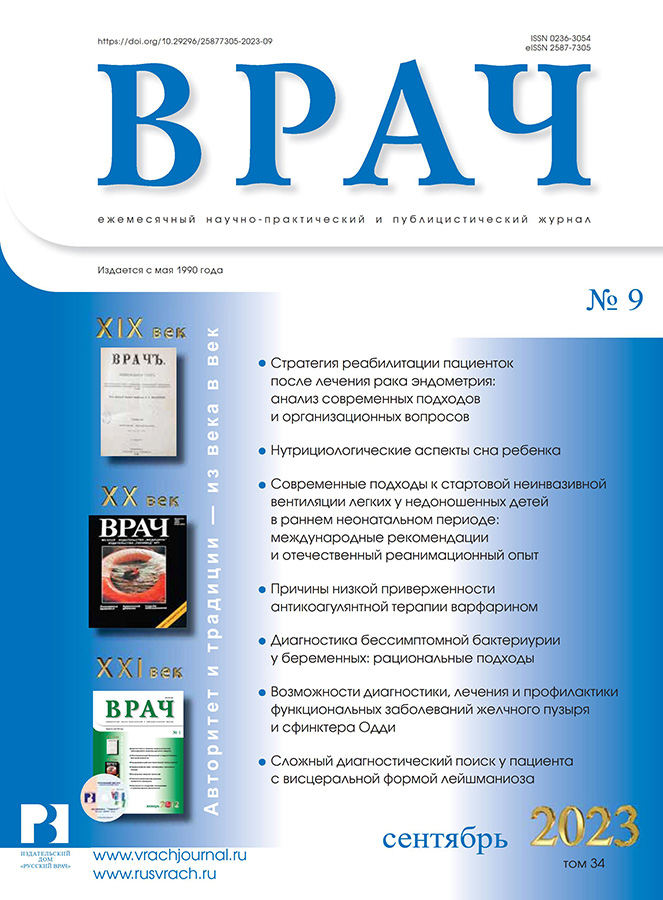
- Autores: Brudyan G.S.1, Yarikov А.V.2,3, Tsybusov S.N.3, Sosnin A.G.4, Garcia А.3
-
Afiliações:
- Voskresensk Dental Polyclinic
- Volga District Medical Center, Federal Biomedical Agency of Russia
- N.I. Lobachesky Nizhny Novgorod State Research University
- Privolzhsky Research Medical University
- Edição: Volume 34, Nº 9 (2023)
- Páginas: 86-91
- Seção: From Practice
- URL: https://journal-vniispk.ru/0236-3054/article/view/142663
- DOI: https://doi.org/10.29296/25877305-2023-09-18
- ID: 142663
Citar
 Acesso aberto
 Acesso está concedido
 Somente assinantes

Resumo
In modern medical practice, the issues of asepsis and disinfection in operating and dental rooms are becoming particularly relevant in the context of preventing airborne infections. Given the rise in antibiotic-resistant microorganisms and the increasing number of invasive medical procedures, the need for effective methods of asepsis and disinfection is becoming more evident. The review covers contemporary approaches and technologies aimed at minimizing the risk of infectious complications. Methods of ventilation and air filtration, the application of ultraviolet sterilization, and laminar airflows are discussed. Special attention is given to their effectiveness in various medical fields, including dentistry and surgery. The aim of the review is to systematize existing knowledge and formulate recommendations for further scientific study and clinical practice.
Palavras-chave
Texto integral
##article.viewOnOriginalSite##Sobre autores
G. Brudyan
Voskresensk Dental Polyclinic
Autor responsável pela correspondência
Email: dr-brudyan@mail.ru
ORCID ID: 0009-0009-9434-8537
Rússia, Voskresensk
А. Yarikov
Volga District Medical Center, Federal Biomedical Agency of Russia; N.I. Lobachesky Nizhny Novgorod State Research University
Email: dr-brudyan@mail.ru
ORCID ID: 0000-0002-4437-4480
Candidate of Medical Sciences
Rússia, Nizhny Novgorod; Nizhny NovgorodS. Tsybusov
N.I. Lobachesky Nizhny Novgorod State Research University
Email: dr-brudyan@mail.ru
MD, Professor
Rússia, Nizhny NovgorodA. Sosnin
Privolzhsky Research Medical University
Email: dr-brudyan@mail.ru
Candidate of Medical Sciences
Rússia, Nizhny NovgorodА. Garcia
N.I. Lobachesky Nizhny Novgorod State Research University
Email: dr-brudyan@mail.ru
Candidate of Medical Sciences
Rússia, Nizhny NovgorodBibliografia
- Royle R., Gillespie B.M., Chaboyer W. et al. The burden of surgical site infections in Australia: a cost-of-illness study. J Infect Public Health. 2023, 16: 792–8. doi: 10.1016/j.jiph.2023.03.018
- Wall R.T., Datta S., Dexter F. et al. Effectiveness and feasibility of an evidence-based intraoperative infection control program targeting improved basic measures: a post-implementation prospective case-cohort study. J Clin Anesth. 2022; 77: 110632. doi: 10.1016/j.jclinane.2021.110632
- CDC. The 2021 National and State Healthcare-Associated Infections Data Report. URL: https://www.cdc.gov/hai/data/portal/progress-report.html
- Healthcare-associated infections. URL: https://www.ecdc.europa.eu/en/healthcare-associated-infections
- Healthcare-associated infections acquired in intensive care units – Annual Epidemiological Report for 2019. URL: https://www.ecdc.europa.eu/en/publications-data/healthcare-associated-infections-intensive-care-units-2019
- Gidey K., Gidey M.T., Hailu B.Y. et al. Clinical and economic burden of healthcare-associated infections: A prospective cohort study. PLoS One. 2023; 18 (2): e0282141. doi: 10.1371/journal.pone.0282141
- Abubakar U., Amir O., Rodriguez-Baño J. Healthcare-associated infections in Africa: a systematic review and meta-analysis of point prevalence studies. J Pharm Policy and Pract. 2022; 15: 99. doi: 10.1186/s40545-022-00500-5
- Rong R., Lin L., Yang Y. et al. Trending prevalence of healthcare-associated infections in a tertiary hospital in China during the COVID-19 pandemic. BMC Infect Dis. 2023; 23 (1): 41. doi: 10.1186/s12879-022-07952-9
- Fayraq A., Alzahrani S.A., Alsayaf Alghamdi A.G. et al. Risk Factors for Post-appendectomy Surgical Site Infection in Laparoscopy and Laparotomy – Retrospective Cohort Study. Cureus. 2023; 15 (8): e44237. doi: 10.7759/cureus.44237
- Rushing C.J. (Lower Extremity Orthopedic Augmentation Utilizing a Synthetic Hybrid-Scale Fiber Matrix. Cureus. 2023; 15 (9): e45046. doi: 10.7759/cureus.45046
- Loftus R.W., Dexter F., Brown J.R. Transmission of Staphylococcus aureus in the anaesthesia work area has greater risk of association with development of surgical site infection when resistant to the prophylactic antibiotic administered for surgery. J Hosp Infect. 2023; 134: 121–8. doi: 10.1016/j.jhin.2023.01.007
- Dexter F., Loftus R.W. Bacterial transmission in anesthesia work areas explains surgical site infections. Infect Control Today. 2023; 27 (5): 8–9.
- Upendran A., Gupta R., Geiger Z. Dental Infection Control. [Updated 2023 Aug 8]. In: StatPearls [Internet]. Treasure Island (FL): StatPearls Publishing; 2023. URL: https://www.ncbi.nlm.nih.gov/books/NBK470356/
- Powell G.L., Runnells R.D., Saxon B.A. et al. The Presence and Identification of Organisms Transmitted to Dental Laboratories. J Prosthet Dent. 1990; 64: 235–7. doi: 10.1016/0022-3913(90)90185-f
- Erazo D., Whetstone D.R. Dental Infections. [Updated 2022 Sep 26]. In: StatPearls [Internet]. Treasure Island (FL): StatPearls Publishing; 2023. URL: https://www.ncbi.nlm.nih.gov/books/NBK542165/
- Communicable diseases in the dental surgery. URL: https://pocketdentistry.com/2-communicable-diseases-in-the-dental-surgery/
- Mohapatra S. Sterilization and Disinfection. Essentials of Neuroanesthesia. 2017; 929–44. doi: 10.1016/B978-0-12-805299-0.00059-2
Arquivos suplementares

