





№ 3 (2025)

Статьи
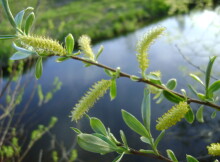
ИВЫ ЕВРОПЕЙСКОЙ ЧАСТИ РОССИИ. ЧАСТЬ I: РАСПРОСТРАНЕНИЕ И БИОМОРФОЛОГИЧЕСКИЕ ОСОБЕННОСТИ ВИДОВ РОДА
Аннотация
Ивы (Salix) имеют широкую географическую распространенность, участвуют в формировании растительного покрова и широко используются в различных отраслях народного хозяйства. Целью работы является изучение биолого-морфологических характеристик бореальных видов ив Европейской части России и их распространение. Исследования проводили в центре Европейской территории России в наиболее освоенной ее части – в Московской, Владимирской, Нижегородской и Пензенской областях. Регион исследования занимает центр Восточно-Европейской равнины, северные и западные склоны Приволжской возвышенности и переход к Окско-Донской низменности. Были описаны биоморфологические особенности 16 видов ив. В полевых исследованиях использовали методы «меченных кустов» и таксономической трансекты. Несмотря на большое сходство в морфологическом строении, виды ив Европейской части России имеют четкие отличительные биоморфологические особенности, отличаются сроками цветения, особенностями вегетативной и генеративной сфер.
 1-25
1-25


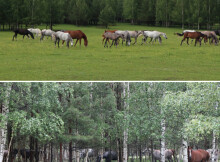
МЕЛКОТРАВНЫЕ ЛУГА И ПАРКОВЫЕ ЛЕСА КАК РЕЗУЛЬТАТ МНОГОЛЕТНЕГО ВЫПАСА ЛОШАДЕЙ (EQUUS CABALLUS) НА ЗАЛЕЖНЫХ ЗЕМЛЯХ
Аннотация
Стадные копытные играют важную роль в функционировании экосистем не только в открытых и полуоткрытых ландшафтах, но и в лесных. В лесном поясе существуют сельскохозяйственные земли, которые эксплуатируются как пастбища домашних животных, в том числе лошадей. В работе дается оценка видового и структурного разнообразия растительных сообществ, сформировавшихся под воздействием умеренного выпаса лошадей. Исследование проведено в 2024 г. на территории Племенного завода «Серая лошадь» (Нижегородская область). В ходе исследования выявлено, что умеренный выпас лошадей на залежных землях в течение 20 лет привел к формированию нескольких типов растительных сообществ: мелкотравных лугов и парковых лесов. Эти ценозы характеризуются относительно высокими показателями флористического разнообразия и широким набором экологоценотических групп растений. Умеренный выпас лошадей можно рассматривать как способ поддержания разнообразия наземных экосистем на заброшенных сельскохозяйственных угодьях.
1-11
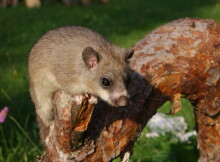
ОСОБЕННОСТИ РАСПРОСТРАНЕНИЯ СОНИ-ПОЛЧКА (GLIS GLIS) НА ПЕРИФЕРИИ АРЕАЛА (НА ПРИМЕРЕ УЧАСТКОВ ШИРОКОЛИСТВЕННЫХ И ХВОЙНО-ШИРОКОЛИСТВЕННЫХ ЛЕСОВ НИЖЕГОРОДСКОЙ ОБЛАСТИ)
Аннотация
Соня-полчок – специализированный дендрофильный вид, тяготеющий к широколиственным лесам. Большое количество местообитаний сонь на территории Восточно-Европейской равнины сократилось ввиду интенсивной хозяйственной деятельности. В результате в пределах Российской Федерации полчок занесен в Красные книги 13 областей. Целью работы было выявление факторов, влияющих на присутствие (отсутствие) сони-полчка в лесах Нижегородской области на северной границе ареала. С помощью метода искусственных гнездовий в период с 2014 по 2024 г. были обследованы 25 фрагментов широколиственных и хвойно-широколиственных лесов в 11 районах Нижегородской области. В результате анализа было показано, что сони- полчки встречаются только в реликтовых старовозрастных лесах возрастом 200 лет и более, избегая дубрав возрастом 150–200 лет. На их присутствие влияют такие факторы, как тип леса, плотность древостоя и сомкнутость крон. Важна структура ярусов леса. Обязателен развитый подлесок с высокой представленностью лещины обыкновенной, а также наличие дуба и липы. Взаимосвязь с площадью лесного фрагмента и типом почвы не выявлена. Полученные результаты свидетельствуют о необходимости охраны фрагментов первичных старовозрастных широколиственных лесов, содержащих в себе набор специфических характеристик, играющих ключевую роль в поддержании стабильной популяции сони-полчка на северной периферии ареала.
1-14
ВЛИЯНИЕ ДИАМЕТРА МЕЗОКОСМА НА РЕЗУЛЬТАТЫ ИССЛЕДОВАНИЙ С ДОЖДЕВЫМИ ЧЕРВЯМИ НА ПРИМЕРЕ APORRECTODEA CALIGINOSA
Аннотация
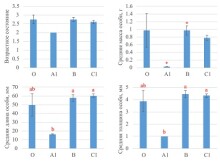
Исследование влияния диаметра мезокосмов на популяционные показатели дождевых червей Aporrectodea caliginosa и свойства почв необходимо для стандартизации методов почвенно-экологических экспериментов. Цель работы – определение оптимального диаметра мезокосмов, обеспечивающего достоверные результаты при минимальных затратах. Эксперимент проводился в мезокосмах диаметром 10, 15 и 25 см, заполненных аллювиальными дерновыми почвами. Исследовали морфометрические показатели червей (длина, толщина, масса), популяционные параметры (выживаемость, продуктивность, биомасса), а также свойства почв (pH, содержание органического вещества). Статистический анализ выполняли с использованием ANOVA и теста Тьюки. Влияние диаметра мезокосма значимо только для морфометрических показателей, но не для популяционных. Кислотность и содержание органического вещества зависели от присутствия червей и гори- зонта почвы, но не от диаметра мезокосмов. В экспериментах с дождевыми червями необходимо учитывать диаметр мезокосма при исследованиях морфометрии особей.
1-11
БИОТОПИЧЕСКОЕ РАСПРЕДЕЛЕНИЕ МОЛЛЮСКОВ В БАССЕЙНЕ РЕКИ СУРЫ НИЖЕ ГОРОДА ПЕНЗЫ
Аннотация
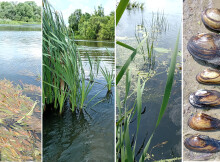
Для разработки научно обоснованных подходов к устойчивому управлению водными ресурсами необходимо изучение структурных компонентов водных сообществ, в том числе моллюсков. Цель работы – исследование малакофауны бассейна р. Суры ниже г. Пензы с анализом пространственного распределения видов в зависимости от типа водоема. Пробы моллюсков отбирали в разнотипных водоемах: русле Суры (11 станций), притоках (4) и старицах (7). Сбор проводили вручную с грунта, растительности и с помощью водного сачка с фиксацией географических координат. Выявлено 38 видов из 10 семейств. Наибольшее разнообразие отмечено в семействах: Lymnaeidae – 8, Planorbidae – 8, Sphaeridae – 6 и Unionidae – 5. Установлены предпочтения видов к конкретным биотопам: рекам, притокам или старицам. Вблизи населенных пунктов от- мечен инвазионный вид Ph. acuta. Обнаружены как эврибионтные виды, так и стенотопные (S. saridalensis, Pl. planorbis – стоячие водоемы; R. auricularia – участки с замедленным течением). Наличие инвазионного вида Ph. acuta свидетельствует об антропогенном влиянии на экосистему реки.
1-15